Winter-Proof Plumbing: Essential Tips to Protect Your Pipes from Freezing Temperatures Apr 20, 2026
Understanding the Risk of Frozen Pipes
Frozen pipes occur when the water inside them turns to ice due to low temperatures. This freezing causes the water to expand, placing immense pressure on the pipe walls. If not attended to quickly, the pressure can cause the pipes to crack or burst. Understanding this risk helps you appreciate the need for effective preventive measures.
Insulate Pipes Properly
Insulation is key to preventing pipes from freezing. Start by assessing your home to identify exposed pipes in unheated areas such as basements, crawl spaces, attics, and garages. Wrap these pipes in foam rubber or fiberglass sleeves to provide much-needed insulation. Additionally, consider using heat tape or cable—a thermostatically controlled system that warms the pipes.
Maintain Consistent Indoor Temperature
Keeping your home at a consistent temperature day and night is crucial. Even if you are planning to leave for an extended period, do not lower your thermostat below 55°F. Keeping your home adequately heated ensures the pipes within the walls remain warm enough to prevent freezing.
Seal Cracks and Gaps
Cold air can seep into your home through cracks and gaps around windows, doors, and sill plates. Conduct a thorough inspection and seal any identified gaps with caulk or insulation. Not only does this prevent pipes from freezing, but it also improves your home’s overall energy efficiency.
Allow Faucets to Drip
During particularly cold spells, allow faucets fed by exposed pipes to maintain a slow drip. The movement of water through the pipes helps prevent freezing. This simple action can alleviate built-up pressure, reducing the risk of pipes bursting.
Open Cabinet Doors
Pipes located in kitchen or bathroom cabinets are often more susceptible to freezing. By opening cabinet doors, you allow warmer air from your home to circulate around the plumbing fixtures. This small step can make a significant difference in preventing frozen pipes.
Be Proactive When Leaving Home
If you plan to be away during winter, take additional precautions. Shut off the main water supply and drain the system by letting the faucets run until they are dry. This ensures no standing water remains in the pipes, eliminating the risk of freezing.
Conclusion: Safeguard Your Pipes with Professional Help
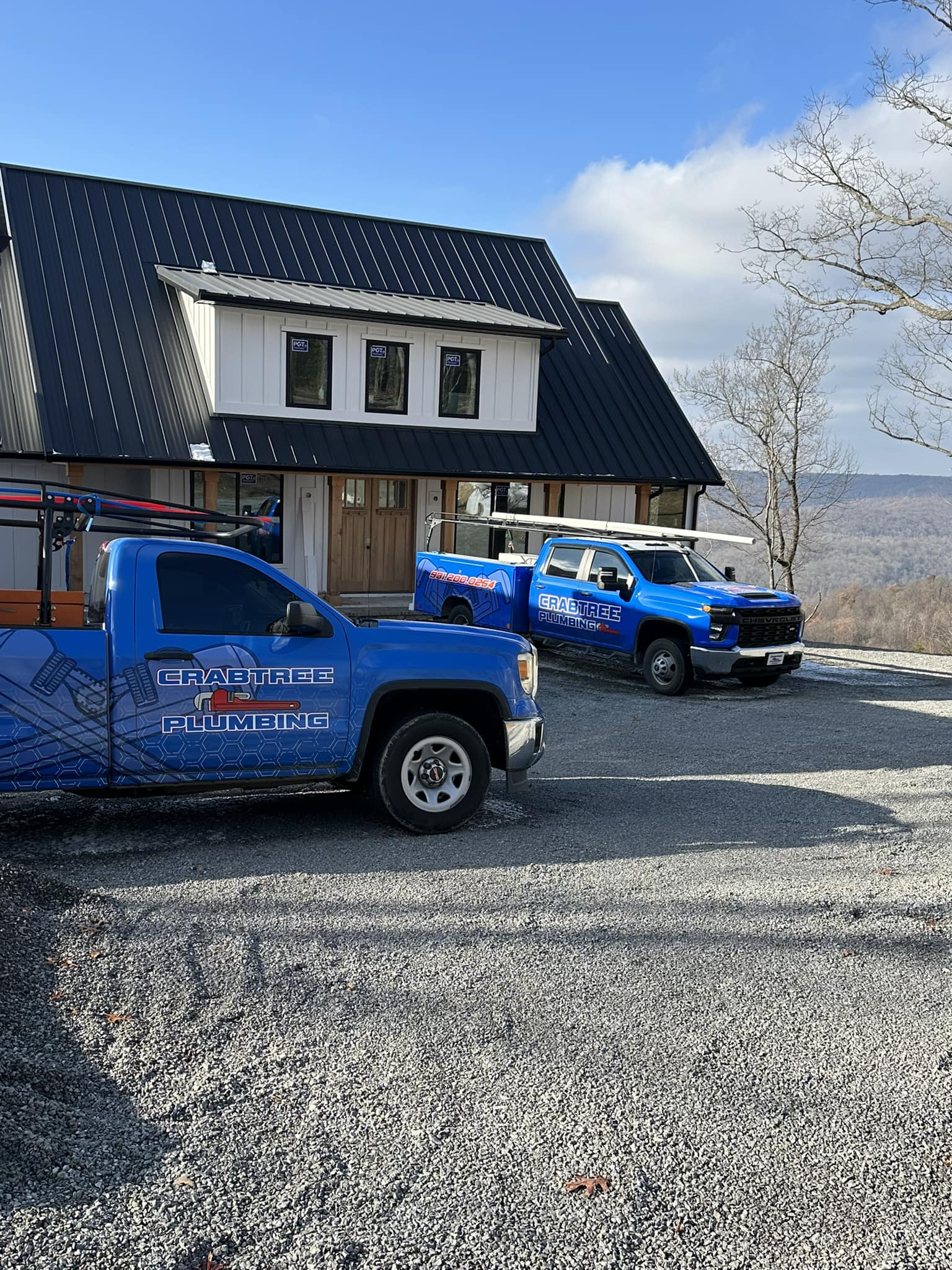
While these steps can significantly reduce the risk of frozen pipes, sometimes professional expertise is needed to fully winter-proof your home. At Crabtree Plumbing, we are committed to helping our community stay safe and comfortable through even the harshest winters. Our experienced technicians are ready to assess your plumbing system and provide the necessary solutions to prevent freezing pipes. Contact us today to schedule an inspection and ensure peace of mind throughout the winter months.
By following these proactive measures, you're not just protecting your home's plumbing; you're safeguarding your property and reducing the risk of costly repairs. Stay warm, stay safe, and let Crabtree Plumbing guide you through the winter with expert care and support.
/filters:no_upscale()/filters:format(webp)/media/a19f5f5f-eba1-4e63-99be-e1b541f659dc.jpeg)
/filters:no_upscale()/filters:format(webp)/media/4dee26fe-1606-43dc-ae82-742730ead389.jpeg)